Damian Hurley's Coming Out Sparks a New Wave of LGBTQ+ Visibility: The Impact and the Importance
Damian Hurley's Coming Out Sparks a New Wave of LGBTQ+ Visibility: The Impact and the Importance
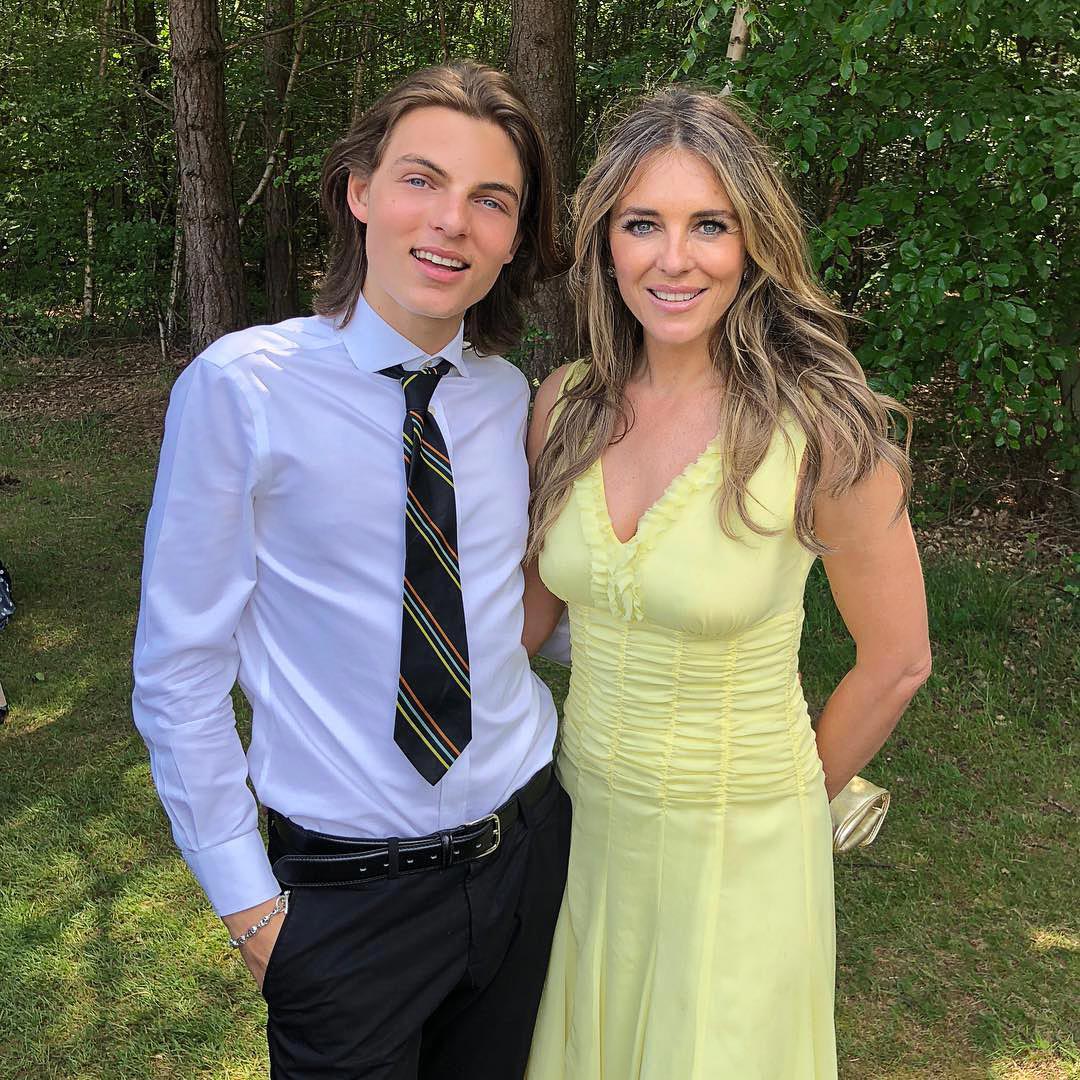
The recent coming out of Hollywood actress and model Damian Hurley, son of actress Katie Holmes and the late actor Tom Cruise, as openly gay has sent shockwaves through the entertainment industry and the LGBTQ+ community alike. His announcement has sparked a wider conversation about the importance of representation and visibility for the LGBTQ+ community, and the impact that it has on young people and the world at large. In this article, we will explore the impact of Damian Hurley's coming out on LGBTQ+ visibility, and the importance of representation in the media.
Damian Hurley's coming out was met with widespread support and enthusiasm from fans and the entertainment industry. However, it also brought to the forefront the need for more representation and visibility of the LGBTQ+ community in the media. The media plays a significant role in shaping public opinion and attitudes towards marginalized groups, including the LGBTQ+ community. Seeing more representation of LGBTQ+ individuals in films, television shows, and other forms of media can have a positive impact on young people who are struggling to come to terms with their own identities.
According to a survey conducted by the Human Rights Campaign, 61% of LGBTQ+ students reported feeling less likely to attempt suicide when they saw themselves represented in the media. It is therefore crucial that the media continues to provide opportunities for LGBTQ+ individuals to share their stories and experiences.
The Importance of Representation in the Media
Representation in the media is not just important, it is crucial for the LGBTQ+ community. The lack of representation has led to a lack of visibility, and consequently a lack of acceptance and understanding of LGBTQ+ individuals. The media's portrayal of LGBTQ+ individuals often perpetuates stereotypes and stigmas, which can have serious consequences for young people who are trying to come to terms with their own identities.
The Power of Media Portrayal
When the media portrays LGBTQ+ individuals in a positive and realistic way, it can have a profound impact on young people. According to a study published in the Journal of Experimental Social Psychology, exposure to media portrayals of LGBTQ+ individuals can increase prosocial behaviors and reduce prejudice towards the LGBTQ+ community. On the other hand, negative media portrayals can lead to increased prejudice and stigmatization.
Seeing Yourself in the Media
Seeing oneself represented in the media is crucial for young people growing up in the LGBTQ+ community. According to a report by GLAAD, the lack of representation in media can lead to a lack of self-esteem and self-worth in LGBTQ+ individuals. Seeing themselves represented in the media can help to combat this issue by providing a sense of validity and acceptance.
"Seeing ourselves reflected in the media is not just a feel-good moment, it's a reminder that we exist, we are valid, and we deserve love, respect, and protection. Representation matters," said Jordan Brown, a trans activist and advocate for LGBTQ+ rights.
Damian Hurley's Impact on LGBTQ+ Visibility
Damian Hurley's coming out has sent a powerful message to young people that being LGBTQ+ is okay. His openness has helped to break down barriers and stereotypes, and has provided a role model for young people who are struggling to come to terms with their own identities. According to a tweet from Damian Hurley, "I want to help show the world that being gay is okay and to help break down barriers and stereotypes."
His coming out has also sparked a wider conversation about the importance of representation and visibility for the LGBTQ+ community. It has shown that even in a world where stigma and prejudice still exist, there is hope for acceptance and love.
More Visibility, More Acceptance
More visibility in the media has a direct impact on acceptance and understanding. When LGBTQ+ individuals see themselves represented in the media, they are more likely to feel accepted and validated. According to a survey by GLAAD, 71% of Americans believe that representation in the media improves relationships between the LGBTQ+ community and society as a whole.
The Road to a More Inclusive Media
While there has been progress in terms of representation and visibility, there is still much work to be done. There are still many barriers and obstacles that the LGBTQ+ community faces when it comes to media representation. The media industry needs to do more to provide opportunities for LGBTQ+ individuals to share their stories and experiences.
"The only way to get more LGBTQ+ representation in the media is to put more LGBTQ+ people in positions of power and authority in the industry," said actor and activist, Cheyenne Jackson. "This includes writers, directors, producers, and executives. Until we have more LGBTQ+ voices in these positions, we will continue to see the same tired stereotypes and representations of the LGBTQ+ community."
The Future of LGBTQ+ Visibility in the Media
The future of LGBTQ+ visibility in the media is looking more inclusive and welcoming. More and more media outlets are recognizing the importance of representation and visibility for the LGBTQ+ community. Some notable examples include the TV show "This Is Us," which features a lesbian character and her journey, and the film "Moonlight," which explores the experiences of a young black gay man.
While there is still a long way to go, there is hope for a more inclusive and accepting media. Damian Hurley's coming out is just one example of the power of representation and visibility in the media. By continuing to create opportunities for LGBTQ+ individuals to share their stories and experiences, we can work towards a more inclusive and loving society for all.
Conclusion
Damian Hurley's coming out has sparked a new wave of visibility and acceptance for the LGBTQ+ community. However, there is still much work to be done. The media needs to continue to provide opportunities for LGBTQ+ individuals to share their stories and experiences. By doing so, we can work towards a more inclusive and loving society, where all individuals, regardless of their sexual orientation or gender identity, feel seen, heard, and accepted.


Related Post

<span style="color: #0047AB">Damian Hurley's Sexuality Speaks to Thedesk: The Impact on LGBTQ+ Visibility</span>
The Rise of Digital Influencers: Shuaibi Aslam Gor and the Era of Online Influence

The Explosive Teresa Giudice and Dina Manzo Feud: Unpacking the Drama and Truth


